 Newspatrolling.com News cum Content Syndication Portal Online
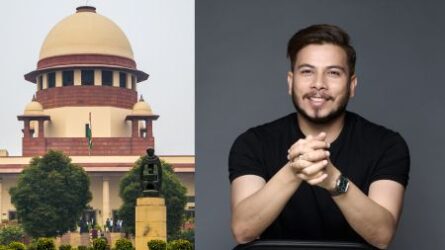 The long-running controversy surrounding alleged irregularities in the Staff Selection Commission (SSC) examination system has resurfaced in national discourse following renewed legal action and growing demands for judicial oversight. YouTuber and educator Nitish Rajput remains at the center of the issue after Eduquity Technologies Pvt. Ltd., the agency responsible for conducting several SSC examinations, filed a ₹2.5 crore defamation suit against him in a Delhi court.
Rajput had earlier released an investigative video questioning the transparency of SSC’s tendering and vendor selection process. In the video, he cited publicly available records, Right to Information (RTI) replies, and official documents to allege frequent rule changes and operational shortcomings that, according to him, compromised the integrity of the examination process. The video quickly gained traction among government job aspirants who have long complained about technical glitches, delayed schedules, and logistical failures.
In response, Eduquity accused Rajput of spreading misleading information and damaging its professional reputation. The company has sought monetary compensation and demanded the removal of the content. However, Rajput has refused to withdraw the video, asserting that his analysis is based on verified sources and reflects genuine concerns raised by thousands of candidates.
With the legal battle now underway, the controversy has moved beyond social media campaigns and street protests into the judicial arena. Student groups and aspirant organizations have begun mobilizing for broader legal intervention, calling for an independent review of SSC’s recruitment framework. Several groups are reportedly exploring the option of approaching the Supreme Court to seek a comprehensive investigation into vendor appointments, examination management, and accountability mechanisms.
The renewed focus on the SSC comes amid heightened scrutiny of recruitment processes nationwide. In earlier related cases, the Supreme Court has intervened in disputes connected to examination and recruitment irregularities, signaling its willingness to address systemic flaws within public hiring systems. This has encouraged aspirants to hope for similar intervention in the present controversy.
As of now, the defamation case remains pending before the Delhi court, with hearings continuing and no final outcome in sight. Legal experts suggest that the verdict could have far-reaching implications for whistleblowers, digital journalists, and content creators who rely on public documents for investigative reporting. Meanwhile, the Nitish Rajput-SSC dispute continues to fuel debates over transparency, governance, and fairness in competitive examinations. For lakhs of aspirants awaiting stable careers in government service, the case has become symbolic of a larger struggle for credibility and reform in India’s recruitment ecosystem.