 Newspatrolling.com News cum Content Syndication Portal Online
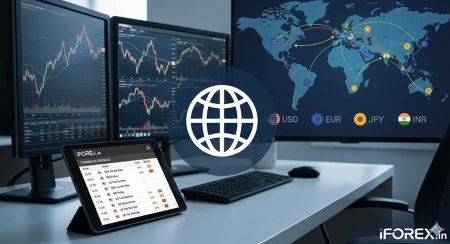 For many traders, the financial markets appear as a sea of moving charts, flashing red and green numbers, and technical indicators. However, beneath the surface of daily price action lies the fundamental engine driving these movements: trading economics.
For Indian traders navigating global markets on platforms like understanding trading economics is not merely an academic exercise; it is a practical necessity. It involves analyzing how macroeconomic data, government policies, and geopolitical events impact the supply and demand for financial instruments, from currency pairs (forex) to commodities and global indices.
In the dynamic landscape of early 2026, the connection between economic reports and market volatility remains tighter than ever.
The Global Context: Central Banks and Commodities
The cornerstone of trading economics often rests on central bank policies, primarily the US Federal Reserve (the Fed), the European Central Bank (ECB), and, crucial for domestic traders, the Reserve Bank of India (RBI).
Central banks manage monetary policy—primarily through interest rate adjustments—to control inflation and stabilize economic growth. When a central bank raises interest rates, its currency often appreciates because higher rates attract foreign capital seeking better returns. Conversely, lowering rates can weaken a currency but may stimulate stock markets by making borrowing cheaper for corporations.
For example, an Indian trader trading the EUR/USD pair must closely monitor both Fed and ECB announcements. A divergence in policy between these two can create significant trends in the currency pair.
Furthermore, global economics dictates commodity prices. As India is a major importer of crude oil, global oil prices directly impact the nation’s import bill, inflation levels, and the strength of the Indian Rupee (INR). Global manufacturing data (Purchasing Managers’ Index, or PMI) from major economies like China and the US also heavily influences demand for industrial metals like Copper.
The Domestic View: India’s Economic Indicators
For traders focused on Indian-centric instruments, domestic economic health is paramount. Key indicators that frequently move the markets include:
- GDP Growth Data: Quarterly Gross Domestic Product reports indicate the overall health of the Indian economy. Strong growth figures often boost domestic stock indices like the Nifty 50.
- Inflation (CPI and WPI): The Consumer Price Index gauges the average change in prices paid by consumers. High inflation often forces the RBI to adopt a hawkish stance (raising rates), which can impact banking stocks and bond yields.
+1
- The Union Budget: While an annual event, the Budget sets the fiscal roadmap for the year, determining government spending on infrastructure, defense, and digital initiatives, directly impacting specific market sectors.
Translating Economics into Strategy
Trading economics is about anticipating market reactions to data releases. The primary tool for this is an Economic Calendar.
Markets hate uncertainty. Therefore, financial analysts provide forecasts for major economic data points before they are released. Market volatility usually occurs not just because of the actual data, but because of the deviation between the actual data and the market consensus (forecast).
If the US Non-Farm Payrolls (NFP) report shows significantly more job creation than forecasted, the US Dollar might rally rapidly. A trader using iFOREX.in aware of this upcoming event can adjust their positions or risk management strategies accordingly before the release.
Conclusion
While technical analysis helps determine when to enter or exit a trade based on price patterns, trading economics helps explain why the market is moving. By staying informed about key global and domestic economic drivers, Indian traders can gain a deeper understanding of market behavior, moving beyond mere speculation toward informed decision-making.