 Newspatrolling.com News cum Content Syndication Portal Online

 Have you ever wondered if those shiny new screens and sunroofs are actually keeping you safe, or are they just for show? While we all love a good luxury feature, the Indian car market in 2026 has shifted its focus toward something far more important: keeping you and your family alive on the road.
Airbags are great, but they only help after a crash happens. Today, technology is moving toward stopping the accident before it even starts. Let’s look at the must-have safety features you should be checking for in your next car purchase this year.
Key Safety Technologies for 2026
In 2026, car safety is shifting from just surviving a crash to actively preventing one, using smart sensors that watch the road and the driver in real-time. These advanced systems can now automatically step in to brake for pedestrians, keep you centered in your lane, and even alert you if you’re getting too tired to drive safely.
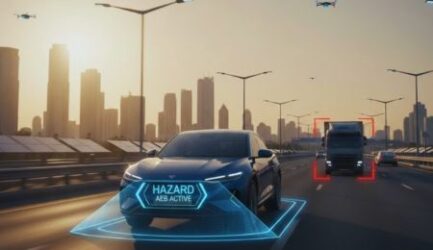
Advanced Emergency Braking (AEB) & Pedestrian Detection
Think of this as an extra pair of eyes that never gets tired. Advanced Emergency Braking (AEB) is a system that uses cameras or sensors to watch the road ahead of you. If the car in front suddenly stops or a person steps into your path and you don’t react in time, the car will automatically hit the brakes for you.
- How it feels: It’s like having a co-pilot. If you’re momentarily distracted by a notification or a crying child in the back, the car senses the danger and slows down or stops completely to avoid a hit.
- Pedestrian Detection: This is a specific part of the system tuned to recognize human shapes and even cyclists. Since our Indian roads are shared with so many people on foot, having a car that “sees” them before you do is a literal lifesaver.
Driver Monitoring Systems (DMS)
We’ve all been there, driving home after a long day at work, feeling your eyes get heavy. Driver Monitoring Systems are designed to catch that moment of fatigue before it leads to a disaster. Most of these systems use a small camera on the dashboard that looks at your face.
- Drowsiness Alerts: If the system sees you blinking too slowly or your head drooping, it will vibrate the steering wheel or make a loud beeping sound to wake you up.
- Attention Tracking: It also checks if you’ve been looking away from the road for too long (like looking at your phone). It will gently remind you to keep your eyes on the road. It’s not about spying on you; it’s about making sure you get home safely.
Lane-Keeping Assist (LKA) & Lane Departure Warning (LDW)
On our new expressways, it is very easy for a car to “drift” out of its lane if the driver is tired or distracted. Lane Departure Warning is like a virtual rumble strip; it alerts you with a sound or vibration if you cross a lane marking without using your indicator.
- Lane-Keeping Assist: This takes it a step further. If you start to drift, the car will gently nudge the steering wheel to guide you back into the center of the lane.
- Why it’s great: It keeps you from accidentally moving into the path of a faster vehicle coming from behind, which is one of the most common causes of highway accidents in India today.
Blind Spot Detection & Monitoring
No matter how well you adjust your mirrors, there is always a small area behind your shoulder that you just can’t see. This is the “blind spot.” In 2026, you shouldn’t have to crane your neck every time you change lanes.
- The Alert: When a vehicle enters that hidden area, a small orange light usually glows in your side mirror. If you turn on your indicator to move into that lane while a car is there, the light will flash or the car will beep to warn you.
- Visual Confirmation: Some newer cars even show a video feed of your blind spot on the digital dashboard when you signal, giving you total confidence before you turn the wheel.
Electronic Stability Control (ESC) & ABS
You might have heard these acronyms for years, but in 2026, they are more advanced than ever. Anti-lock Braking System (ABS) stops your wheels from locking up during a hard stop, allowing you to still steer the car while braking.
- Stability Control (ESC): This is the real hero during a sudden turn. If you have to swerve to avoid a stray animal or a pothole, ESC helps keep the car from spinning out of control. It monitors which way you are steering and applies the brakes to individual wheels to keep the car pointed in the right direction.
- The 2026 Standard: Under the latest Bharat NCAP 2.0 rules, a car can’t even dream of a 5-star rating unless ESC is included as a standard feature.
Post-Collision Braking & Safety Systems
Most people don’t realize that in many accidents, the first “bump” isn’t the only one. After a car is hit, it often continues to roll into other cars or off the side of the road because the driver is too shocked to hit the brakes.
- Automatic Locking: Post-Collision Braking detects that an airbag has gone off and immediately locks the brakes for you. This stops the car from moving further and prevents “secondary collisions.”
- Emergency SOS: Many 2026 models now come with a “SOS” button or automatic calling. If the car detects a major crash, it will automatically call emergency services and give them your exact GPS location.
Improved Rear Visibility & Alert Systems
Reversing out of a tight parking spot in a crowded Indian city can be a nightmare. While we’ve had reverse sensors for a while, the 2026 standard is much higher.
- Rear Cross-Traffic Alert: This is a game-changer. When you are backing out of a driveway and can’t see the street, the car’s sensors look sideways. If a bike or car is coming down the road toward your rear bumper, it will give you a loud warning.
- High-Definition Cameras: We are moving away from grainy, blurry cameras. You should look for “360-degree” views that let you see your car from a bird’s-eye perspective, making it impossible to accidentally hit a low pillar or a small object left on the ground.
Physical Control Requirements
This is a surprising trend for 2026! For a few years, car makers tried to put everything, including the AC and volume, inside a touchscreen. However, safety experts found that this was actually dangerous because you have to take your eyes off the road to find a “button” on a screen.
- The Return of Buttons: According to the latest safety guidelines, vital functions like your wipers, headlights, horn, and hazard lights must now have physical buttons or stalks.
- Why You Want This: It allows for “muscle memory.” You can turn on your defogger or change the temperature by feel, without ever looking away from the traffic in front of you.
Final Thoughts
When you walk into a showroom today, don’t just look at the size of the sunroof or the brand of the speakers. Ask about the ESC, check for Pedestrian Detection, and see if the Driver Monitoring System is included. According to the latest vehicle news from the Ministry of Road Transport, these are the features that will define car value and safety over the next decade. Choosing a car with these “beyond airbag” features isn’t just a smart tech choice, it’s the best insurance policy you can ever buy for yourself and your loved ones.