 Newspatrolling.com News cum Content Syndication Portal Online
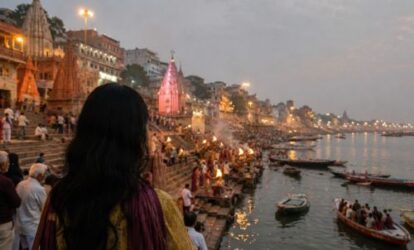 Varanasi has a unique rhythm that is ancient, unhurried, and slower than the pace of modern life. People usually travel from Hyderabad to Varanasi primarily for two very different reasons. For some, it’s a long-awaited pilgrimage, a first darshan at the Kashi Vishwanath Temple, or for the experience of watching the Ganga Aarti as the sun drops below the river. Others arrive carrying grief, making the journey to fulfil sacred ancestral duties, immersing the ashes of a loved one in the holy waters of the Ganga. Both journeys deserve the same care in planning, and both begin long before you arrive at the ghats.
How to Reach Varanasi: Train & Flight Options
The train from Hyderabad to Varanasi takes close to 20 hours. For families travelling with elderly members, people travelling alone under emotional stress, or anyone who needs to arrive feeling rested and composed, that is a long time to spend in transit before the actual journey begins.
Choosing a Hyderabad to Varanasi flight, on the other hand, allows you to skip the exhaustion of a long train journey and arrive with your energy preserved. Taking a morning departure means you can easily reach the ghats by early afternoon. A few things you should keep in mind if travelling by flight:
- Check the flight schedule and do your online flight ticket booking as early as possible. For urgent travel especially, last-minute availability on this route can be limited, and flight prices rise accordingly.
- Complete your web check–in the evening before departure. Most airlines open their web check in window in advance. Having your boarding pass on your phone can save time at the airport.
Lal Bahadur Shastri International Airport is around 25 kilometres from the Kashi Vishwanath Temple, although the actual travel distance can vary by route. The journey by road may take around 45 minutes or longer, depending on traffic. For families travelling with elderly members or those dealing with the emotional weight of a difficult journey, reducing unnecessary airport and transit stress can make the day easier.
At the Ghats and the Temple: What to Expect
A visit to Varanasi often follows a natural rhythm for pilgrims and first-time visitors. The majority of pilgrims start their day with an early dip at the Ganga riverfront. The ghats open to pilgrims at around five in the morning. The sound of temple bells reverberates across the chilly water, and the ghats are already crowded.
From the ghats, the Kashi Vishwanath Corridor provides a clear walking path directly to the temple. The corridor connects the temple to the Ganga ghats through a broad, well-developed pathway rather than the older narrow lanes, which makes navigation considerably easier for first-time visitors. The temple opens at 2:30 a.m., with general darshan from 4:00 to 11:00 a.m., and again from noon. Arriving before 7 AM gives you the best chance of a calm darshan with shorter queues. Darshan slots can be booked online two to 45 days in advance through the official website or app, and a valid government-issued photo ID is mandatory for entry. Mobile phones, cameras, and leather items must be deposited in lockers near the security gate before entering.
Varanasi’s old lanes around the temple are narrow and unsuitable for regular vehicle access, so your cab will drop you at Godowlia Chowk, from where the walk to the corridor entrance takes about 10 to 15 minutes.
The evening Ganga Aarti at Dashashwamedh Ghat is another unmissable experience. Because the ritual is timed to sunset, the winter Aarti (October through March) begins earlier, around 6:00 PM, while the summer Aarti (April through September) starts later, closer to 7:00 PM. To secure a good spot on the ghat steps, you must arrive at least 60 to 90 minutes early, as the crowds build rapidly.
Bonus Tip: Watching the Aarti from a boat gives you a wider view of the ceremony and the illuminated ghats. Boat availability and fares can vary, so confirm the arrangements before boarding.
Fulfilling Ancestral Duties with Peace of Mind
For those travelling to Varanasi for asthi visarjan, Manikarnika Ghat and Harishchandra Ghat are among the principal sites associated with cremation and final rites in Varanasi. It is best to plan the procedure ahead of time. Most heritage guesthouses and lodges near the riverfront can connect families with reputable local priests who handle ritual materials and boat arrangements.
Having this coordinated prior to arrival allows the family to fully participate in the ceremony rather than worrying about logistics on the day.
If the trip involves a same-day return to Hyderabad, choosing a morning slot for the visarjan keeps the afternoon free for travel to the airport without rushing.
Packing Tips: What to Carry and What to Leave
A few things are worth thinking about before you pack:
- If you are travelling with cremated remains, check your airline’s current policy before departure, as requirements for transporting ashes can vary. Carry the remains in a secure, clearly labelled container and keep any required documentation with you.
- For the return journey, carry Ganga jal in a tightly sealed, leak-proof container and check your airline’s current baggage requirements before travelling.
- Banarasi silk sarees, brassware, and handwoven textiles are common purchases in Varanasi’s lanes. Leave adequate space in your check-in bag, or pre-book extra baggage through your airline before you travel. Airlines like Air India Express let you add extra baggage online at a lower rate than at the airport counter.
- Always carry comfortable footwear that is easy to remove. You may need to remove your footwear at certain points, particularly when entering religious areas and temples, so comfortable footwear that slips on and off easily is recommended.
Returning to Hyderabad
Before leaving for the airport, check your live flight status through your airline’s app or website. Allow enough time for the journey from the city to Lal Bahadur Shastri International Airport, especially during busy traffic periods.
A first visit to Varanasi can be deeply personal, whether you come for darshan, the Ganga Aarti, or an important family ritual. With your transport, temple visit, local arrangements and return journey planned in advance, you can spend less time dealing with logistics and more time experiencing Kashi at your own pace.