 Newspatrolling.com News cum Content Syndication Portal Online

Hospitals across Bengaluru are reporting a parallel rise in gestational diabetes
and pregnancy induced hypertension
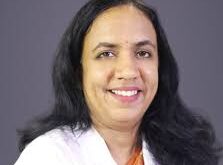
BENGALURU / March 3, 2026: On the occasion of World Obesity Day, senior gynaecologist and infertility specialist Dr Vidya V Bhat, Medical Director, Radhakrishna Multispeciality Hospital, Bengaluru, voiced deep concern over the steady rise in obesity among women in the reproductive age group, calling it a silent but significant threat to maternal and newborn health in Karnataka.
“Two decades ago, obesity was largely an urban issue, but today we are seeing it just as commonly in semi-urban and even rural Karnataka. Lifestyles have changed everywhere. Physical activity has reduced, consumption of processed foods have increased, sleep patterns are irregular and stress levels are high across all sections of society,” she observed.
According to National Family Health Survey (NFHS-5) findings, nearly one in three urban women in Karnataka is overweight or obese. In Bengaluru, the trend is particularly noticeable among working women between 25 and 39 years of age. Alongside this, hospitals across the city are reporting a parallel rise in gestational diabetes and pregnancy induced hypertension.
“What is worrying is that we are now seeing young women with features of metabolic syndrome even before their first pregnancy. That was uncommon earlier,” said Dr Vidya V Bhat, Medical Director, Radhakrishna Multispeciality Hospital, Bengaluru. “Weight management is not about body image, it is also about building a safer pregnancy and a healthier next generation. Even small and consistent lifestyle changes can transform outcomes. As clinicians, we urge women to prepare their bodies for pregnancy just as carefully as they plan their future.”
She added: Higher BMI in reproductive age women is linked to increased infertility, higher miscarriage rates, high-risk pregnancies and greater maternal complications. Obesity disrupts hormonal balance and we see irregular ovulation, insulin resistance and sometimes reduced egg quality.”
Drawing from her infertility practice, Dr. Bhat said that even a modest weight reduction can make a meaningful difference, “I have seen many women conceive naturally after losing just five to ten percent of their body weight. In some cases weight correction works better than medication,” said Dr. Bhat.
Urban centres like Bengaluru have also witnessed a significant increase in gestational diabetes a condition closely associated with maternal obesity. When an overweight woman becomes pregnant, her insulin resistance worsens. Obesity is one of the strongest modifiable risk factors for gestational diabetes and hypertension, she explained.
Maternal obesity is also contributing to higher Caesarean section rates. “Obese women are more likely to have prolonged labour, poor uterine contractions, larger babies and fetal distress all of which increase the chances of a C-section,” Dr. Bhat said.
She added that surgery in obese patients carries additional risks including wound infections, delayed healing, excess blood loss, anaesthesia-related complications, deep vein thrombosis and longer hospital stays and technically the surgery itself becomes more challenging.
Describing maternal obesity as a “silent public health crisis,” Dr. Bhat pointed out that it often goes unnoticed until complications arise. Obesity develops gradually and is frequently normalised. Families may not recognise it as a health issue until diabetes or high blood pressure sets in. “We are seeing more ICU admissions with complicated deliveries and high-risk newborns linked to maternal obesity,” she said.
Dr. Vidya V Bhat also highlighted the long-term impact on children born to the obese mother. They have a higher risk of obesity and metabolic disorders later in life. It is not just about one pregnancy, it also influences the next generation.
Dr. Bhat stressed the importance of pre-conception counselling which gives women an opportunity to optimise weight, correct thyroid imbalances, manage blood sugar and improve overall nutrition. A planned pregnancy is always safer and particularly for overweight women. She also underscored the role of families in supporting healthy habits by avoiding overfeeding, encouraging home cooked balanced meals and promoting light physical activity.