 Newspatrolling.com News cum Content Syndication Portal Online
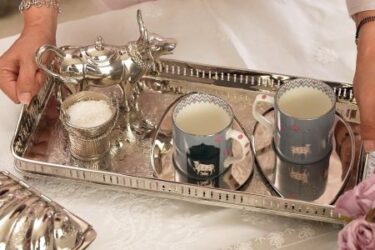
Brass has long occupied a meaningful place in Indian households. From ritual objects and heirloom utensils to decorative accents passed down through generations, the material carries with it a sense of continuity and cultural depth. For decades, however, its presence in everyday spaces remained largely confined to tradition—often viewed as something ceremonial rather than contemporary. Today, that perception is gradually evolving.
At the forefront of this shift is Vilasa Home, a design-led brand founded by Neetu Jaggi and Puja Gambhir. The brand is part of a new wave that is reinterpreting brass for modern Indian homes—bringing it out of purely traditional contexts and reintroducing it as a material that feels relevant, versatile, and design-forward.
This transformation is subtle but significant. Rather than altering the essence of brass, Vilasa Home focuses on how it is presented. The brand refines finishes, experiments with cleaner silhouettes, and pairs brass with complementary materials to create pieces that sit comfortably within contemporary interiors. The result is a language of design that feels both rooted and refreshed—where heritage is not erased, but thoughtfully reframed.
Puja Gambhir reflects on this approach: “Brass has always been a part of our cultural vocabulary, but we wanted to explore how it could evolve with the way people live today. It’s not about changing the material—it’s about changing the context in which it exists.”
Historically, brass has been associated with opulence and ritual significance. Its warm tones and durability made it a staple in Indian homes, yet over time, it also became tied to a certain visual heaviness—ornate, elaborate, and often reserved for special occasions. As urban lifestyles changed and homes became more minimal, the material began to recede from everyday use.
What brands like Vilasa Home are doing is not a revival in the conventional sense, but a recontextualisation. By simplifying forms and focusing on proportion and finish, brass is being repositioned as a material that complements modern design sensibilities. It becomes lighter in appearance, more versatile in application, and easier to integrate into daily life.
Neetu Jaggi notes, “There’s a renewed curiosity around materials that feel authentic. People are not just looking for something new—they’re looking for something that has a story, but also fits seamlessly into their present.”
This renewed interest points to a larger cultural moment. Across India, there is a growing desire to reconnect with heritage—but without being bound by it. Consumers are increasingly drawn to materials and techniques that carry a sense of history, yet they expect these elements to adapt to contemporary lifestyles. The appeal lies in this balance: familiarity combined with freshness.
Brass, in this context, becomes a compelling medium. It is inherently durable, ages beautifully, and carries an unmistakable warmth. When reinterpreted through a modern lens, it offers both emotional and functional value. It is no longer limited to ceremonial spaces; it finds a place on dining tables, coffee tables, and shelves—becoming part of everyday rituals rather than occasional ones.
Vilasa Home’s collections contribute to this narrative by presenting brass as a dynamic design element rather than a static symbol of the past. Each piece is designed to feel intentional, whether it is a serving object, a décor accent, or a functional item. The focus is not on excess ornamentation, but on clarity of form and quality of finish—allowing the material itself to take centre stage.
This approach also aligns with a broader shift toward mindful consumption. As consumers move away from disposable purchases, there is a growing appreciation for objects that are made to last. Brass, with its longevity and timeless appeal, naturally fits into this mindset. It supports a way of living that values durability, craftsmanship, and a slower, more considered approach to design.
In many ways, the renewed relevance of brass mirrors the evolution of Indian design itself—where the past and present are no longer seen as opposites, but as complementary forces. Brands like Vilása Home are helping to bridge this gap, showing that tradition can be both preserved and reimagined.
By repositioning brass within a contemporary framework, Vilása Home is not just revisiting a material—it is reshaping how it is perceived and experienced. In doing so, the brand contributes to a larger cultural dialogue, one that celebrates heritage while embracing change, and finds new meaning in materials that have always been part of India’s story.