Newspatrolling.com News cum Content Syndication Portal Online

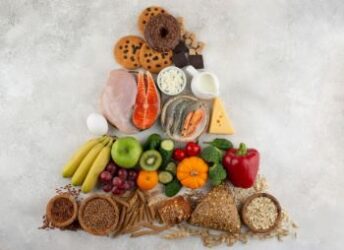 A heart attack is a serious health concern, and if frequently fatal. It is critical to allow the heart to heal well, and also to prevent recurrences.
Some general principles apply:
- Moderation is key. Avoid extremes.
- Quality / Quantity / Timing of food – all these must improve
- Your food intake should not exceed your energy expenditure – make adjustments accordingly.
Here’s one simple, practical guide I often share with my patients.
What Heart Attack Survivors Should Shift To
- Whole grains– Oats, brown rice, millets, and whole wheat – avoid refined grains. These will help control cholesterol levels and maintain blood sugar levels steadily.
- Fresh vegetables and fruits– Aim for a colourful plate – leafy greens, tomatoes, carrots, berries, apples and citrus fruits. Their antioxidants reduce inflammation and support the health of your arteries.
- Healthy fats in moderation– Nuts, seeds, olive oil, mustard oil, in small portions. These improve “good” HDL cholesterol and reduce plaque build-up.
- Lean sources of protein– Pulses, legumes, tofu, low-fat dairy, fish, and skinless poultry. Fatty fish like salmon or Indian options such as rohu provide heart-protective omega-3 fats.
- Low-sodium meals prepared at home– Fresh food prepared at home helps in better control over the consumption of salt and fat, which are quite vital after a heart attack.
What Patients Must Strictly Avoid
- Excess Salt –Table salt; Packaged snack foods, pickles, papads, sauces, and ready-to-eat products are major contributors of sodium that increase blood pressure and burden the heart.
- Trans fats and deep-fried foods– Bakery products, fast foods, namkeens, and fried savoury snacks can raise bad cholesterol levels and should be totally avoided.
- Refined sugars and sugary beverages– Sweets, desserts, soft drinks, and packaged juices, which can cause insulin resistance, weight gain, and heart disease.
- Red and processed meats– Bacon, sausages, salami, and red meat
- Alcohol– Avoid or limit alcohol consumption; alcohol can raise blood pressure and is also directly toxic to the heart.
The Golden Rule to Remember:
A healthy lifestyle is for a lifetime – make practical changes that you can sustain.
“A heart-healthy diet is about making smart choices, day in and day out. Along with exercise, medications, and stress management, a healthy diet is a very strong preventive measure against a second heart attack.”