 Newspatrolling.com News cum Content Syndication Portal Online
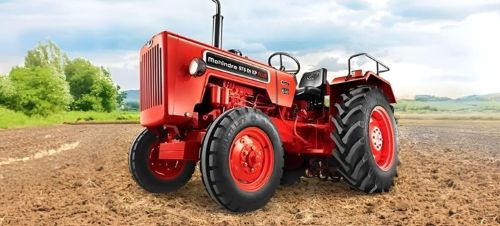 Tractors can improve efficiency in dragon fruit farming by making land preparation, intercultural work, input movement, spraying support and on-farm transport easier to manage.
When the machine and implement suit the plantation layout, mechanisation can reduce repeated manual effort and help farmers to organise important field operations more effectively.
Dragon fruit farming requires careful attention to row layout, support structures, irrigation lines and regular crop maintenance.
Since farmers must carry out many activities throughout the crop cycle, the right machinery can support smoother farm management without disturbing the plantation.
Making Land Preparation More Efficient
Land preparation is one of the first stages where tractors can support dragon fruit cultivation. Proper preparation can make later field movement, drainage management and routine maintenance easier.
Before planting begins, the field may require clearing, soil loosening, levelling and preparation of suitable working paths. Farm tractors can support these operations when paired with implements that match the soil condition and available working space.
The choice of machinery should not depend only on engine capacity or size. Turning space, field access and the future placement of support structures should also be considered. A machine that is too large for the plantation layout may become difficult to operate after the crop is fully established.
Supporting Intercultural Operations
Routine work between crop rows plays an important role in keeping a dragon fruit plantation manageable. Suitable machinery can make several of these repeated operations easier to carry out.
Weeding, soil loosening and surface management may require regular attention depending on field conditions. Compact farm machines and suitable attachments can support such tasks where row width and access allow safe movement.
The operator must still work carefully around support posts, irrigation lines and plant roots. The implement width and working depth should be chosen based on the actual field conditions rather than following a standard approach.
Mechanisation is most useful when it supports precise work without creating additional pressure on the crop area.
Improving Input and Material Movement
A considerable amount of farm time can go into shifting inputs, tools and other materials from one section of the plantation to another. Tractors can make this part of farm management more efficient and more organised.
Materials such as organic inputs, fertilisers, irrigation accessories, pruning tools and harvested produce may need to be transported across the farm. A suitable tractor with the correct carrying arrangement can reduce the need for repeated manual movement.
This can be particularly useful on farms where storage areas are located away from the main plantation blocks.
However, internal transport should still be planned carefully. Access routes should remain clear, and movement near crop supports should be controlled. Machinery should make material handling easier without increasing the risk of disturbing the plantation.
Making Crop Protection Work More Manageable
Dragon fruit cultivation may require crop protection and other care operations at different stages. Machinery can support these activities when spraying or application equipment is suitable for the field arrangement.
Tractor-supported equipment can make certain application tasks easier to organise across a larger working area. The main advantage lies in maintaining a planned movement pattern through the plantation while reducing repeated manual carrying.
The equipment selected should suit the crop height, plantation access and recommended application method. Operators should also consider visibility and control when working close to plant supports.
Mechanisation should only support the necessary crop-care operations. It should not lead to unnecessary use of inputs. Application decisions should remain based on crop condition and appropriate agricultural guidance.
Matching Implements with Farm Requirements
A tractor becomes more useful when the implements connected to it are selected according to actual farm needs. Every attachment should have a clear purpose within the farming routine.
In dragon fruit cultivation, implement selection should begin with the activities that require the most repeated effort. This may include soil preparation, weed management, material handling or other support work.
Farmers should consider:
- Whether the implement can move safely through available rows;
- Whether sufficient turning space is available;
- Whether irrigation pipes and support structures remain protected;
- Whether working depth can be controlled easily;
- Whether the attachment matches the intended operation; and
- Whether maintenance support is conveniently available.
This approach helps avoid selecting machinery that looks useful on paper but has limited value in actual field conditions.
Helping Farmers Manage Work at the Right Time
Efficiency in farming is not only about completing a task quickly. Timing also plays an important role, particularly when several activities need attention during the same period.
Labour availability may vary, while field operations still need to follow crop and soil conditions. Tractors can help farmers organise certain activities without relying entirely on manual labour for every supporting task.
Mechanised support may be useful for soil work, transportation, intercultural activities and other scheduled farm operations. This can make it easier to plan work according to plantation requirements.
The tractor does not replace crop knowledge or field judgement. Its role is to support the physical side of an operation, helping to carry out necessary work in a more organised manner.
Reducing Repetitive Manual Handling
Dragon fruit farming includes several activities that require close manual attention. Pruning, training and crop inspection, for instance, depend on careful handling and observation.
Mechanisation can still reduce the physical effort involved in supporting activities around these specialised tasks.
A tractor may assist with moving tools, inputs, removed plant material or harvested produce across the farm. This can reduce the need for workers to carry materials over long distances repeatedly.
By shifting some of the transport and handling work to suitable machinery, labour can focus on tasks where human attention and crop knowledge are more important.
This creates a more balanced use of manual and mechanised work across the plantation.
Choosing Machinery According to Plantation Layout
Not every tractor or implement will suit every dragon fruit farm. The plantation layout should guide machinery selection from the beginning.
Row spacing, access paths, support posts, irrigation systems and turning areas all influence how easily a machine can operate. Farmers should first understand where the tractor will travel and which tasks it will perform regularly.
Manoeuvrability is particularly important where working passages are restricted. Ease of steering and control can also matter when operators need to work carefully around permanent plantation structures.
Maintenance requirements and operator familiarity should be considered as well. A machine that is easy to operate and maintain may fit the farming routine better than equipment selected only because it offers more capacity.
Making Mechanisation Part of the Farm Routine
The real value of tractors in dragon fruit farming comes from using them as part of a planned production system. Mechanisation should support the crop rather than force the plantation to work around unsuitable equipment.
A tractor may contribute during land preparation, intercultural operations, input transport, crop-care support and post-harvest movement within the farm. Each use should be connected to a genuine operational need.
Farmers should also review how often each task is performed. Machinery that supports recurring work is likely to have greater practical relevance than equipment intended for an occasional activity.
A balanced approach can help improve organisation and keep crop care at the centre of farm decisions.
Conclusion
Tractors can support better efficiency in dragon fruit farming by making land preparation, intercultural work, input movement, crop-care support and internal transport easier to organise. Their usefulness depends on how well the machine fits the plantation layout, available working space and everyday farming requirements.
For growers, the focus should remain on practical mechanisation rather than simply using larger equipment. A suitable tractor and implement combination can reduce repeated manual handling, support timely field operations and make routine farm work more manageable.
When machinery is selected according to crop requirements and actual field conditions, it can be a useful part of an organised system for dragon fruit farming.