 Newspatrolling.com News cum Content Syndication Portal Online
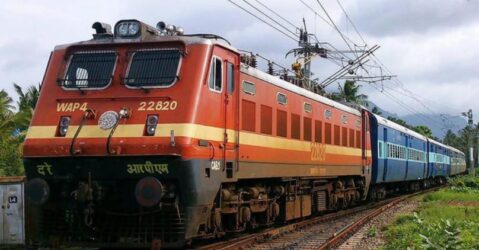 Every time a train ticket is booked in India, it feels like a quick, almost effortless action. A few taps, a confirmation screen, and it’s done. But behind that simple moment sits a system handling an enormous scale—millions of passengers, thousands of trains, countless seat combinations being calculated in real time.
It’s easy to forget how much is happening underneath. Seat allocation isn’t random. Availability isn’t static. Every booking, every cancellation, every update feeds into a constantly shifting system that’s quietly recalculating positions.
And that’s where the confusion usually starts. From the outside, it looks unpredictable. A seat isn’t available one moment, then suddenly it is. A waiting list moves faster than expected, or doesn’t move at all.
But none of it is accidental.
There’s a structure to it. A logic that keeps everything moving, even when it feels uncertain. Once that becomes visible—even a little—the process starts making more sense. That’s where IRCTC ticket booking stops feeling like a mystery and starts feeling like a system that can actually be understood.
Seat Allocation—More Organized Than It Looks
Seats aren’t assigned randomly when a ticket is booked. There’s a sequence to it.
Different quotas hold different sets of seats. General bookings, reserved categories, route-specific allocations—they all sit within the same train but operate slightly differently.
When someone books a ticket, the system checks multiple conditions at once. Which quota applies? Which segment of the journey? What’s already been allocated?
It happens quickly. So quickly that it feels invisible.
But the logic is always there, deciding where each passenger fits.
Availability Isn’t Fixed—It’s Constantly Moving
One of the biggest misconceptions is that availability is final. It isn’t.
Seats open up and close throughout the booking cycle. Cancellations free up space. Quotas release seats at different times. Even small changes ripple through the system.
That’s why a train that looks full can suddenly show availability later. Or why a waiting list moves unexpectedly.
Why Waiting Lists Exist and How They Actually Work
Waiting lists aren’t just overflow. They’re part of the system’s design.
When confirmed seats are full, bookings continue in sequence. Each new passenger gets a position, waiting for earlier bookings to cancel or shift.
The system keeps track of this order carefully. As seats open up, the list moves forward.
Some waiting lists move quickly. Others don’t. It depends on the route, the demand, and how many cancellations happen along the way.
Tracking Changes Makes the System Feel Less Random
Without tracking, everything feels uncertain. With tracking, patterns start to appear.
A waiting list number dropping steadily signals movement. No change at all suggests a different outcome.
That’s where pnr status check becomes important. It turns invisible changes into visible updates.
Why Some Tickets Move From Waiting List to Confirmed
It doesn’t happen magically. It follows a chain of events.
Passengers cancel. Plans change. Seats get released. And as that happens, the waiting list moves forward.
Certain routes see more cancellations. Others see fewer. That’s why confirmation chances vary.
Timing also plays a role. As departure gets closer, movement often increases. Last-minute changes create openings.
So when a waiting list ticket confirms, it’s not luck. It’s the result of multiple small changes aligning at the right time.
How Goibibo Simplifies All This Complexity
The backend doesn’t become simpler. It stays as complex as ever.
What changes is how that complexity is presented.
Goibibo organizes information in a way that feels clearer. Availability, booking, tracking—it all sits together instead of being scattered.
“Train Seat Availability Forecast and Sold-out alerts for train bookings are Available!”—and that adds something valuable. Not just current data, but insight into what might happen next.
That context helps travellers make decisions without needing to understand every detail behind the system.
Turning Data Into Something Usable
Raw data can overwhelm. Numbers, codes, availability lists—it’s a lot.
What travellers need isn’t more data. It’s clarity.
Goibibo focuses on turning backend complexity into something usable. Something that doesn’t require decoding every detail.
And when information becomes easier to act on, the entire experience feels smoother.
Small Additions That Change the Experience
Beyond booking and tracking, small features start to matter.
Food is one of them. Travellers can easily book Food or Meals Orders through PNR number via the Goibibo App and Website.
It removes one more uncertainty from the journey. One less thing to figure out on the spot.
These small additions don’t change the system. But they change how the journey feels.
Understanding Removes More Stress Than Speed
Most people think faster booking solves everything. It doesn’t.
Understanding does.
When travellers know how seat allocation works, how availability moves, how waiting lists shift—they stop feeling lost in the process.
They don’t rush blindly. They don’t assume outcomes. They read the situation as it unfolds.
And that makes everything feel more manageable.
Conclusion
Behind every train ticket booking is a system that’s constantly moving and recalculating. While it may seem complex from the outside, understanding how seat allocation, availability, and waiting lists work can make a big difference. When travellers stay informed and use the right tools, confusion reduces, decisions improve, and the entire booking experience becomes far easier to navigate with confidence.