 Newspatrolling.com News cum Content Syndication Portal Online
Diagnostic experts urge Bengaluru residents to stay vigilant as seasonal transition creates favourable conditions for mosquito-borne infections
Bengaluru, 19th May, 2026 : As Bengaluru enters the seasonal period when dengue infections typically begin to emerge, healthcare experts are urging residents not to dismiss persistent fever as “just another viral infection.” While case numbers often gain momentum during monsoon, doctors note that preparedness and timely diagnosis during the early phase of the season can play a critical role in preventing complications.
As per data reported by the Karnataka Health Department/BBMP, Karnataka recorded 1,186 dengue cases between January and April 2025, with Bengaluru accounting for 522 cases, nearly half of the state’s reported burden during the period. The numbers highlight how dengue activity often begins to emerge even before peak monsoon season, reinforcing the need for early vigilance and timely testing. One of the major problems in dealing with dengue during its season is the problem of late detection, which occurs mainly due to the symptoms of the disease being similar to other viral diseases. The symptoms such as fever, headache, body pains, tiredness, weakness, nausea, and body aches often tend to be associated with an ordinary seasonal disease.
Doctors note that early testing becomes important because dengue symptoms in the initial phase may not appear severe, making it difficult for individuals to distinguish the infection from other viral fevers circulating during weather transitions. Contrary to common perception, people should not wait for symptoms to worsen, or platelet counts to fall significantly before seeking medical advice.
“As Bengaluru enters dengue season, one of the most common concerns we see is delayed testing because patients often assume persistent fever is simply a routine viral infection. Since dengue symptoms can overlap with several seasonal illnesses in the initial stages, timely diagnostic evaluation becomes important in helping clinicians differentiate infections and monitor patients appropriately. We advise people not to ignore fever lasting beyond two to three days, especially if it is accompanied by severe body ache, unusual fatigue, or weakness,” said Dr. Divya C, Microbiologist, Neuberg Anand Reference Laboratory, Bangalore.
Another common misconception surrounding dengue is that platelet count is the only marker of concern. Doctors caution that waiting for a drastic drop in platelets before seeking medical attention may lead to delayed intervention. Appropriate evaluation and timely medical guidance remain important in monitoring the progression of illness and avoiding complications.
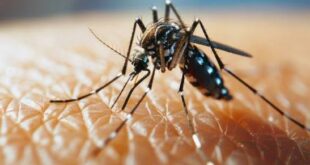
The city’s changing weather pattern marked by intermittent showers, rising humidity, water stagnation, and fluctuating temperatures creates favourable conditions for mosquito breeding. Construction sites, open water storage, coolers, terraces, and stagnant water around homes continue to remain common risk areas for mosquito proliferation in urban settings.
Considering growing cases of vector-borne diseases across the state, awareness, preparedness, and timely testing remain key to reducing complications and ensuring appropriate care at the right time.
Key Public Health Advisory
- Do not ignore fever lasting more than 2–3 days.
- Seek medical evaluation early, especially if fever is accompanied by body pain, fatigue, nausea, or weakness.
- Avoid self-medication without medical consultation.
- Eliminate stagnant water around homes and workplaces.
- Use mosquito repellents, full-sleeved clothing, and protective measures to reduce mosquito exposure.
- Follow medical advice regarding hydration and monitoring if diagnosed with dengue.